
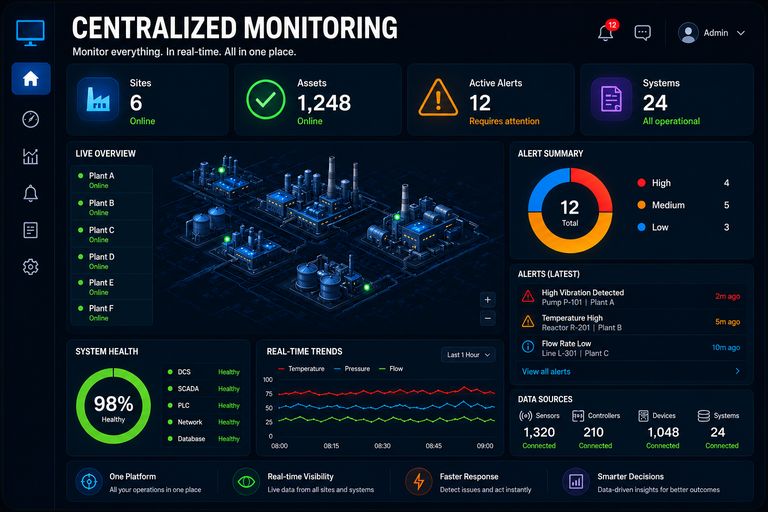
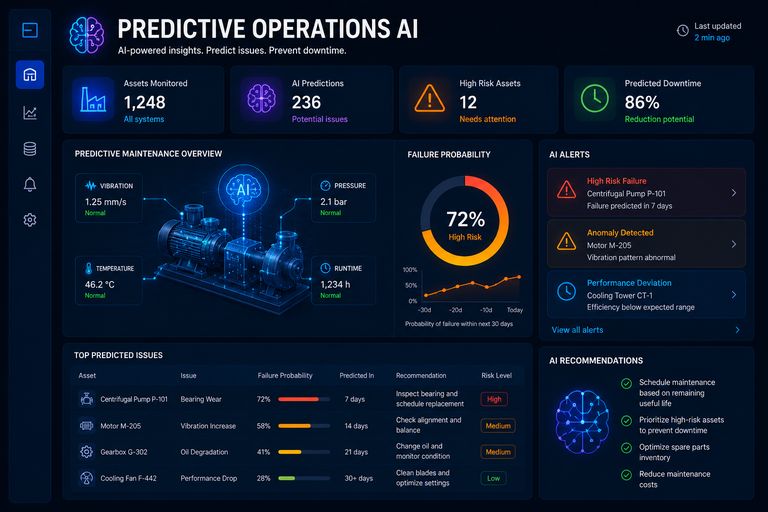
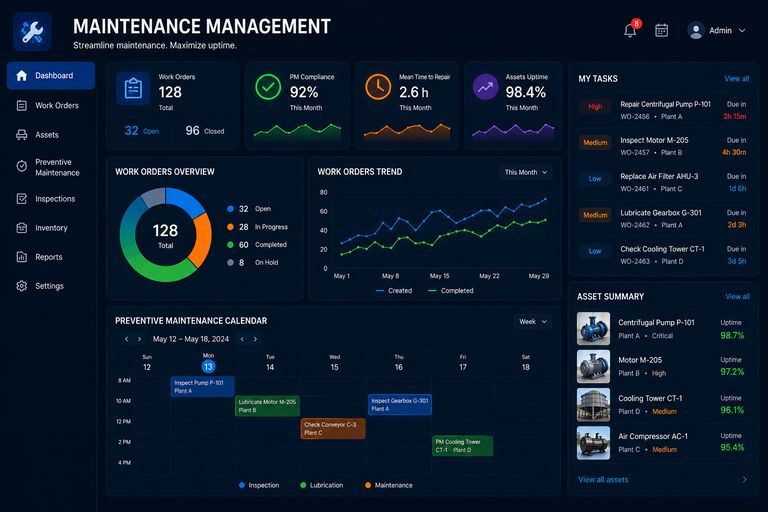
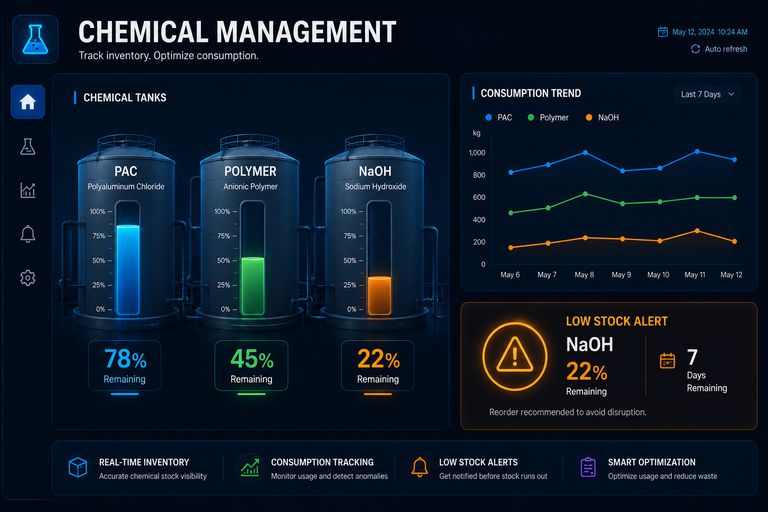

pH, COD, TSS and DO records do not always represent the same kind of measurement. An AI project must distinguish online readings, laboratory samples and estimated values before combining them.
Identify what each value represents
Record source, sampling location, units and measurement method. For laboratory records, retain the sample time and result-availability time. A forecast should not be presented as a measured sample result.
Align time without using unavailable results
Match operating context to the time a sample was collected. When evaluating a prediction, also check when its inputs were actually available. Using later information can make a historical test appear better than real operation.
Review missing data and operating changes
Preserve quality flags and known sensor checks. Mark equipment replacement, calibration and process changes. Treat sparse laboratory data according to its limitations instead of silently turning it into continuous measurements.
Agree an evaluation that operators can use
Evaluate errors over relevant operating modes and important events. For alerts, also record false warnings, missed incidents and useful response time. Explain uncertainty and define who confirms the next action.
Records to check
| Record group | Evidence to review |
|---|---|
| Online reading | Source time, units and quality |
| Laboratory result | Sample time, method and availability |
| Forecast | Model version, inputs and evaluation period |
Prepare an assessment with X-IRIS
Bring sample records from each source, measurement methods and the operating situations that matter to the facility. Review the implementation roadmap and request an assessment to agree a scope that can be tested.