EARLY RISK DETECTION
Identify abnormal trends before parameters enter critical ranges.

X-IRIS Operations Portal
Monitor operations in real time, identify issues early, and make better decisions with AI-driven insights.
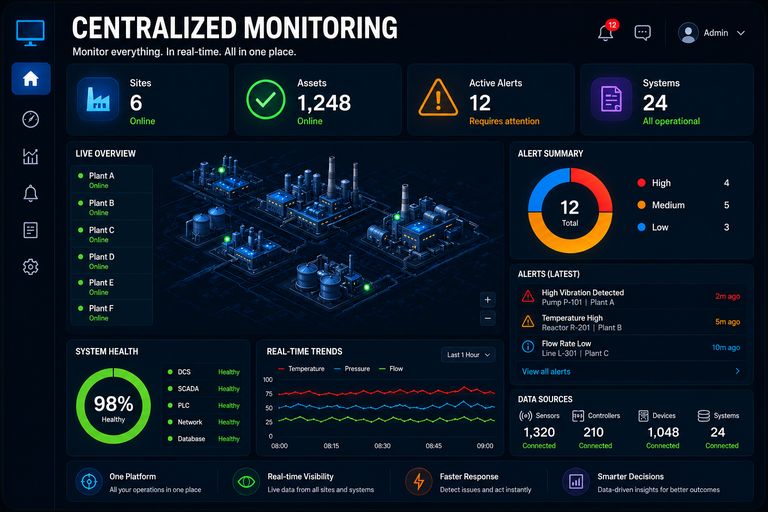
Web-SCADA, dashboards, alarms and remote monitoring.
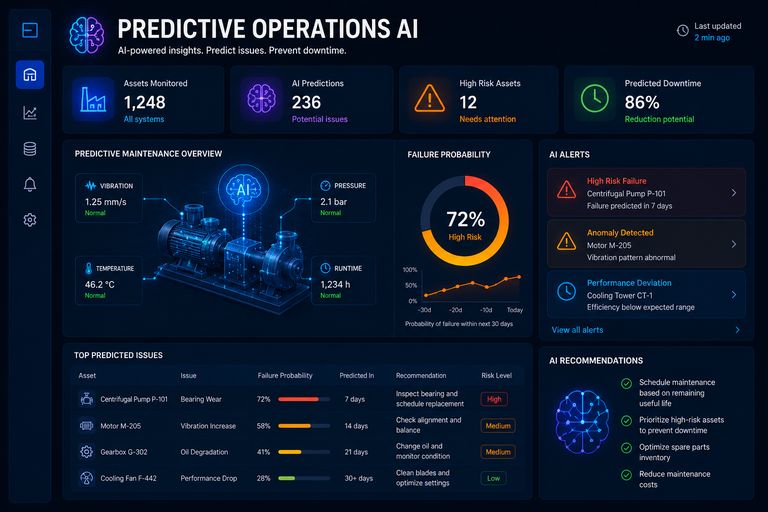
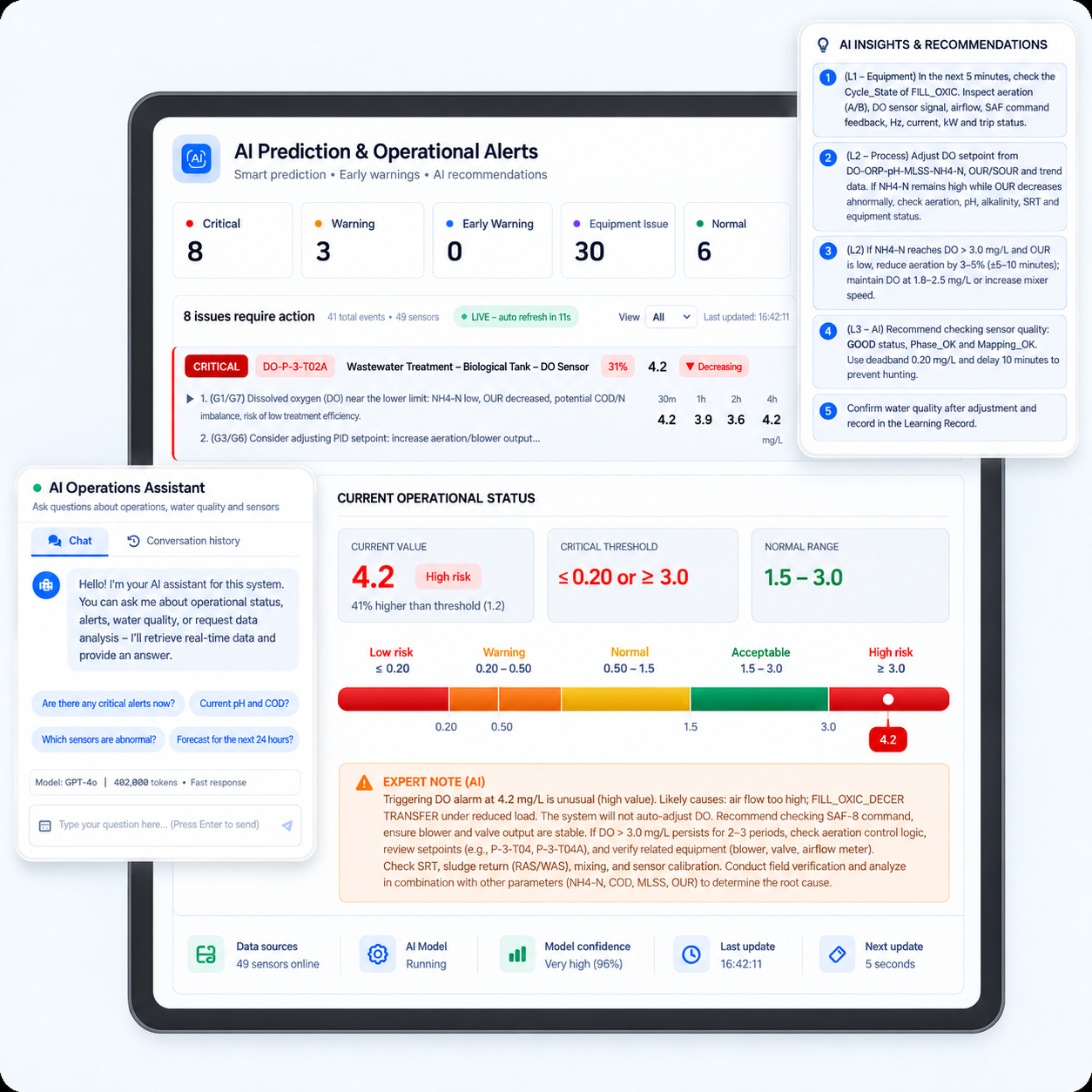
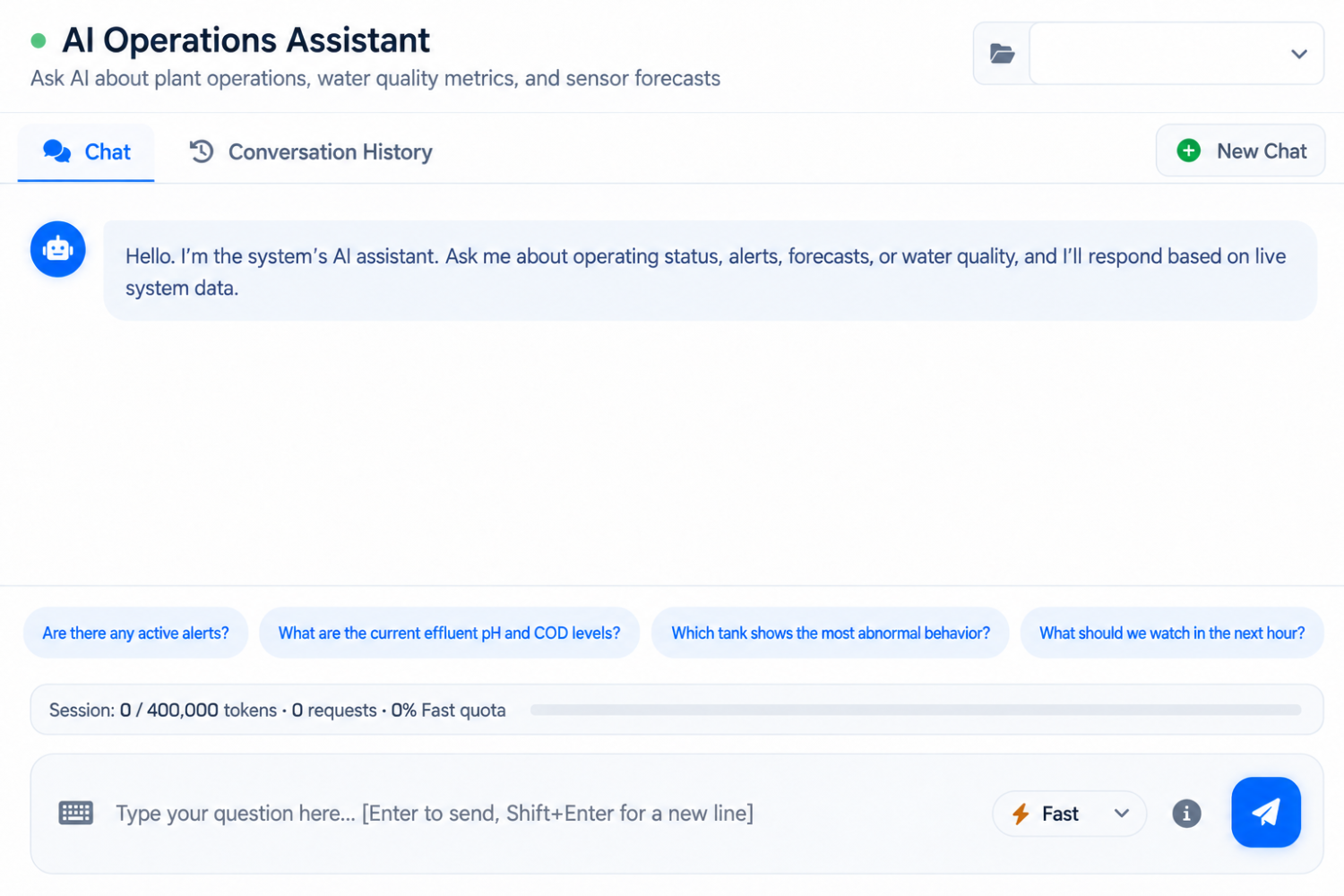
AI forecasting, anomaly detection and risk prediction.
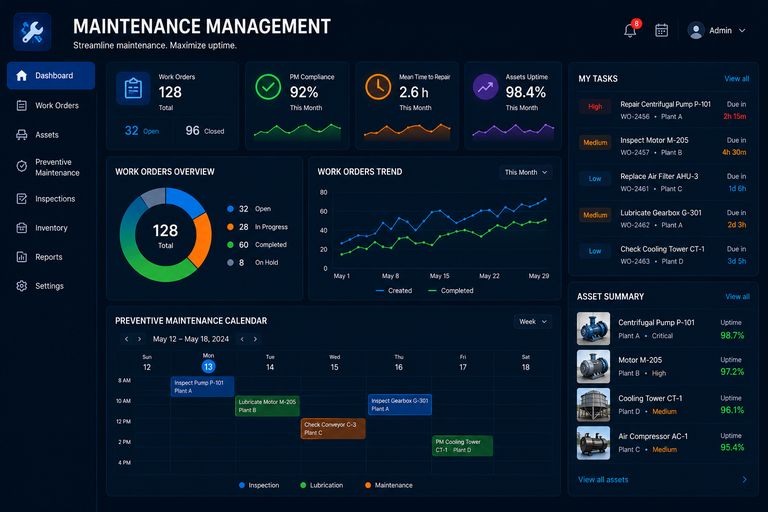
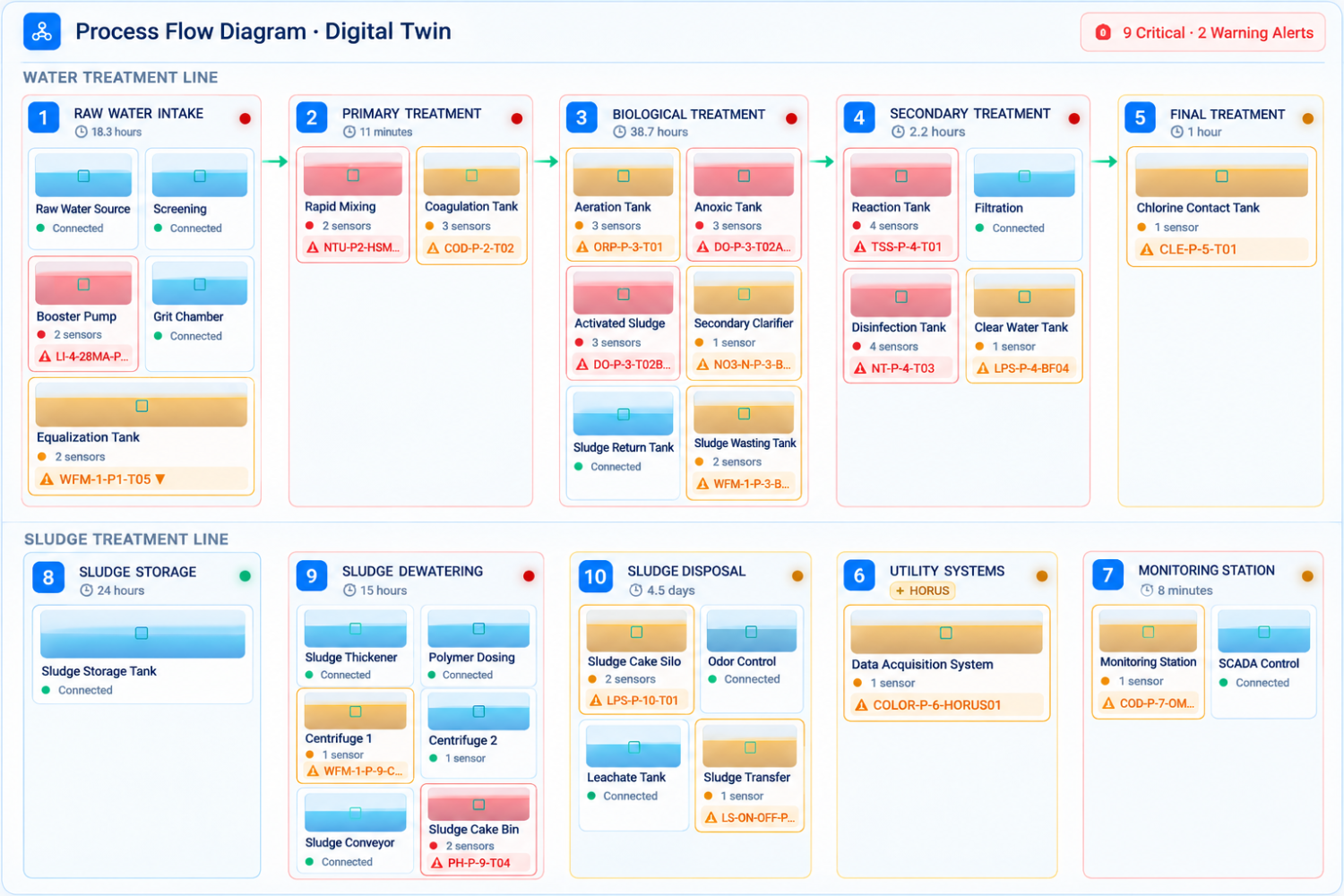
Asset tracking, maintenance schedules and work orders.
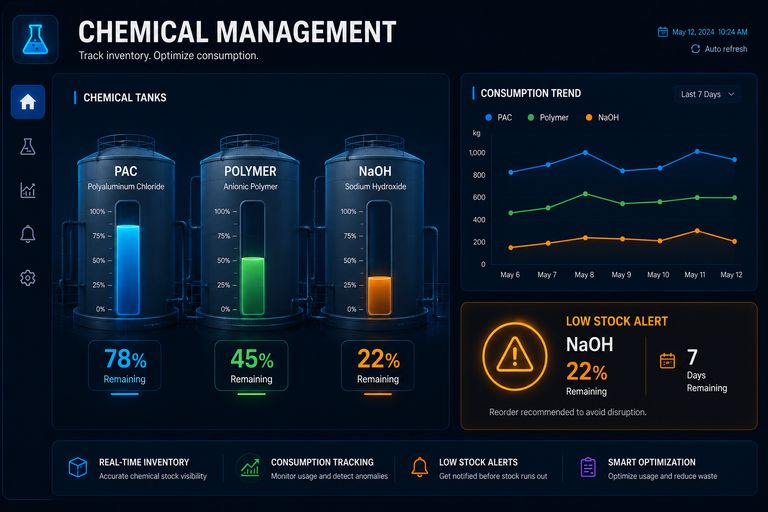
Inventory tracking, dosing control and consumption analysis.
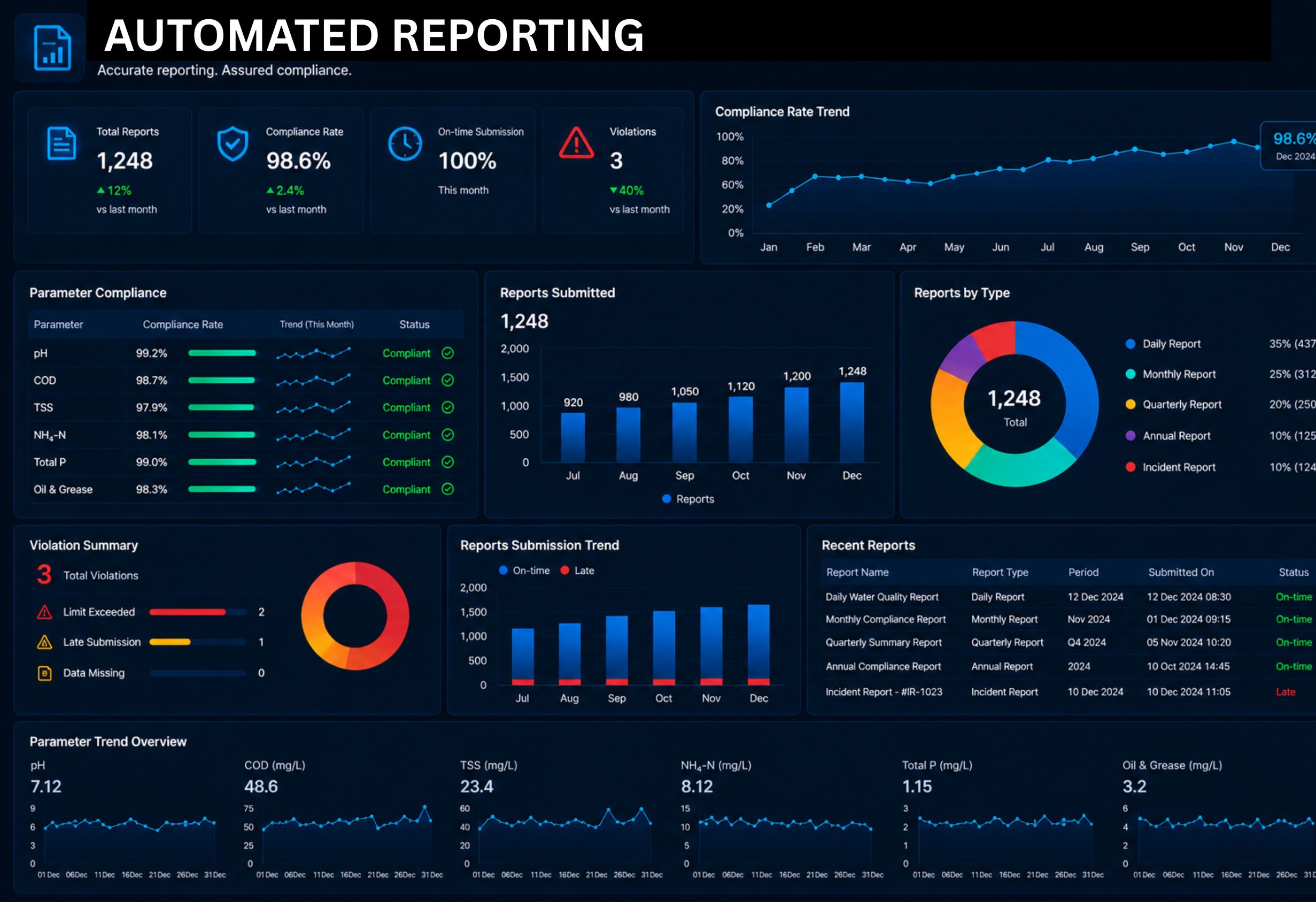
Automated reports, operation logs and inspection records.
X-IRIS Insights
Practical articles on Web-SCADA, AIoT, AI Predictor, compliance data and cost optimization.
X-IRIS | AI FORECASTING & EARLY WARNING
Choose a wastewater risk that can be evaluated on the facility’s own measurements and confirmed events.
BENEFITS
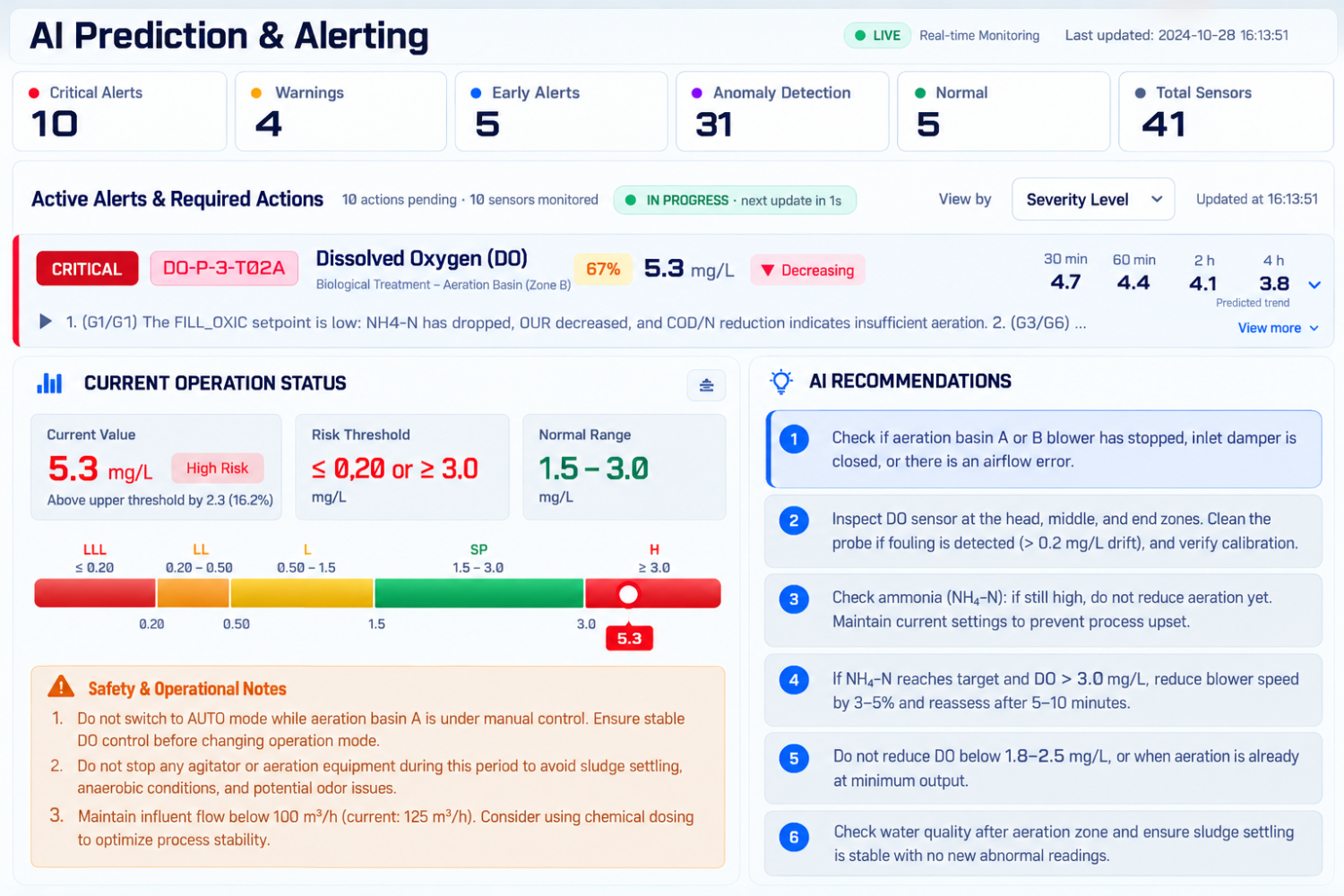
Identify abnormal trends before parameters enter critical ranges.
Give teams more time to inspect, assess, and respond proactively.
Provide risk levels and relevant information so users can prioritize the right issues.
FEATURED
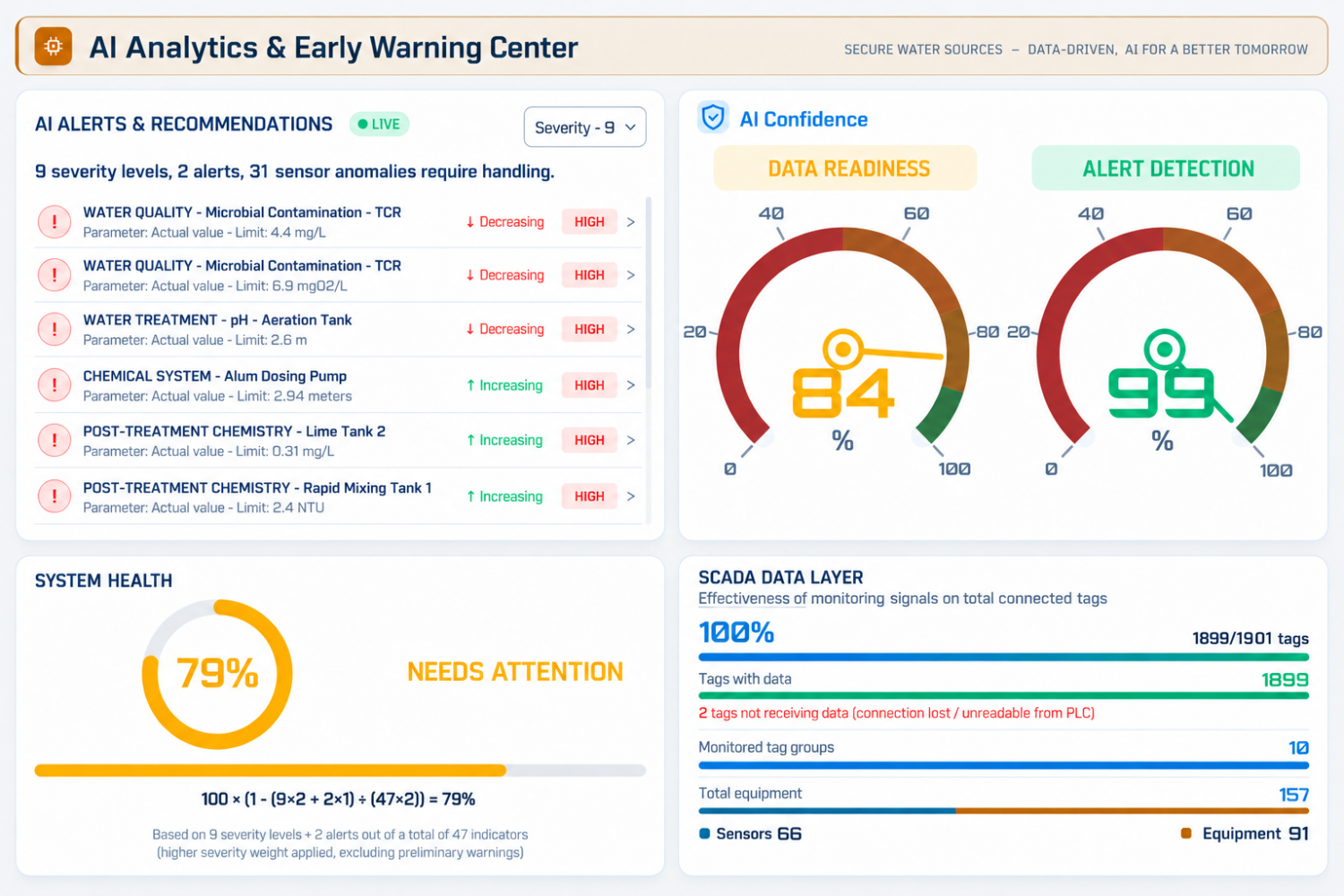
X-IRIS combines real-time and historical data to analyze trends, identify anomalies, and forecast risks before parameters enter critical ranges, giving operations teams more time to inspect conditions and respond.
Before implementation
Choose a wastewater risk that can be evaluated on the facility’s own measurements and confirmed events.
QUY TRÌNH TRIỂN KHAI
Bắt đầu từ hệ thống hiện tại, mở rộng theo nhu cầu
Choose a defined operating question, owners and acceptance criteria.
Bring historical data, verified events, known data gaps and one risk that the operations team wants to investigate.
Test source quality, permissions and representative tasks in the agreed scope.
Compare outcomes with the criteria, record open issues and agree support and expansion.
READY FOR END-TO-END DIGITAL TRANSFORMATION?
Choose a wastewater risk that can be evaluated on the facility’s own measurements and confirmed events.
Replacement is not assumed. Check actual models, protocols, permissions and source quality. Document any necessary additions before agreeing the trial.
Agree measurable checks before the pilot. Retain source comparisons, user task results and open issues; define who confirms the outcome.
They depend on sources, equipment, functions and intervention requirements. The assessment defines trial scope, responsibilities, cost items and acceptance evidence.
No universal detection or warning-time guarantee applies. Evaluate correct alerts, false alerts, missed events and useful lead time on the facility data and operating modes.
Operational knowledge
Practical guides to data, equipment and workflows for smart wastewater operations.