
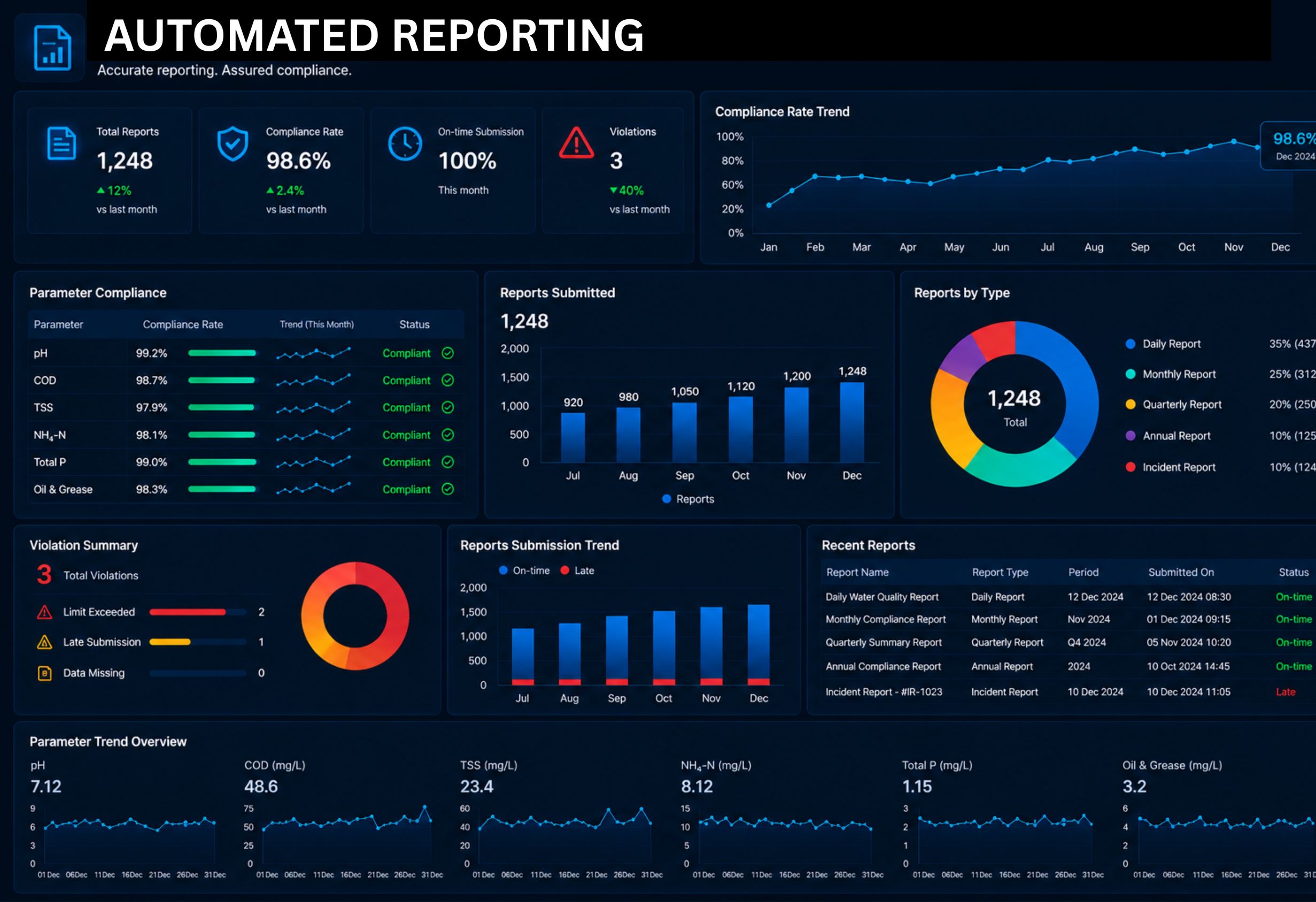

Data quality affects how reliably a wastewater model can be evaluated and how operators interpret its output. Start with traceable sources and explicit gaps rather than cleaning away evidence of uncertainty.
Create a signal dictionary
Link each tag to an asset, source address, meaning, data type and unit. Record display names separately from identifiers. Keep a change history when names, sensors or measurement locations are revised.
Check time and coverage
Identify source and receipt times, timezone rules and sampling intervals. Locate gaps and duplicated records. Laboratory sample times and result-entry times should remain separate because they describe different stages.
Preserve original records
Retain source values and quality states. If values are converted or interpolated for analysis, store the rule and distinguish the processed result from the original. Missing data should not silently become zero.
Connect events to operating context
Record confirmed incidents, maintenance and mode changes. Check whether the dataset covers the conditions the model will encounter. Agree who validates questionable records before using them in a pilot.
Records to check
| Record group | Evidence to review |
|---|---|
| Identity | Tag, asset, source and meaning |
| Measurement | Unit, method, time and quality |
| Context | Mode, maintenance and confirmed event |
Prepare an assessment with X-IRIS
Bring the tag dictionary, representative history, calibration records and a list of known missing or unreliable periods. Review the implementation roadmap and request an assessment to agree a scope that can be tested.